Two founders shaped by terrain, time, and a lifetime of riding.
Fault Boards offers terrain-driven boards shaped by decades of riding experience. Independent and rider-owned, we prioritize performance, configurability, and credibility over hype.
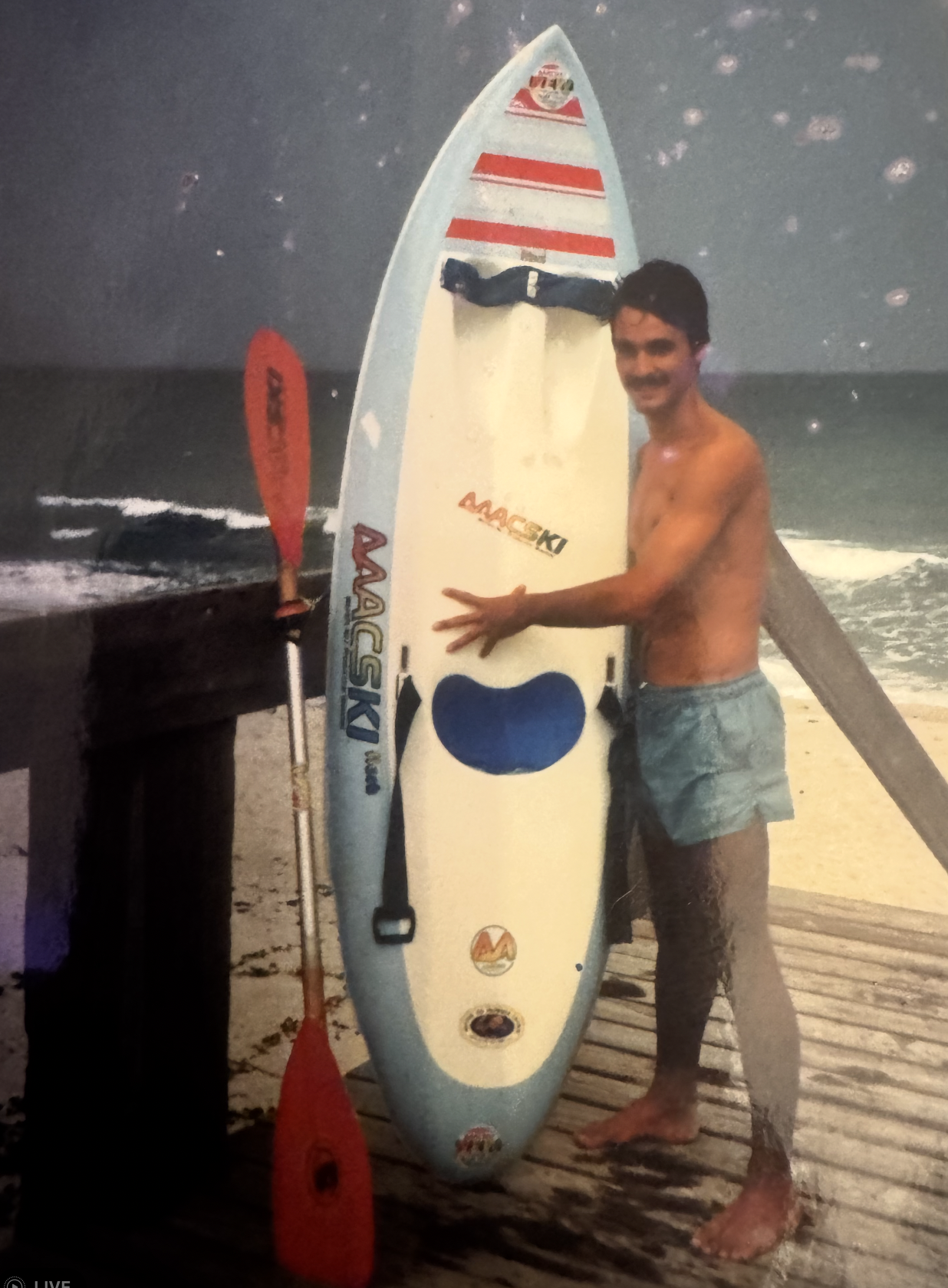
Dylan, a snowboardermotorcyclistcreatorskateboarder
Read Dylan’s story →


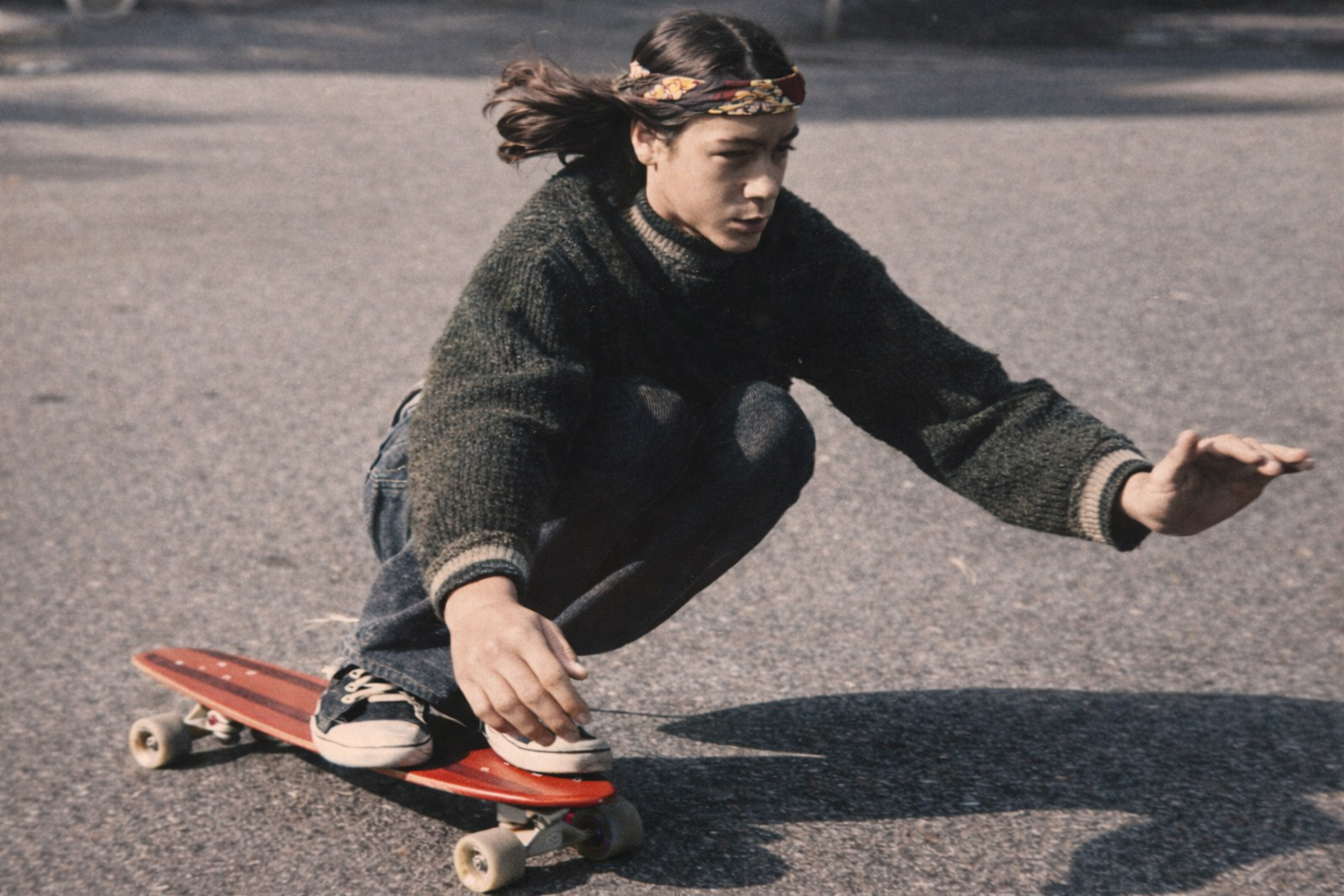
My skateboarding journey began in the mid 1970s with a board that would be unrecognizable by today’s standards—a wooden blank with clay wheels, loose ball bearings, and a graphic of a black knight on horseback. At the time, there was no such thing as urethane wheels or cassette bearings. That board was simply called the Black Knight, and it marked the beginning of a lifelong connection to skating. Living in the Santa Cruz Mountains, I carved my way down roads like Old Santa Cruz Highway, adapting surf-style riding to terrain that was never meant for skateboards—but it was all we had, and it was enough.
Once hooked, there was no turning back. My next board, a Super Surfer, followed the same crude formula: a short wooden deck, primitive trucks, clay wheels, and loose bearings. It was difficult to ride, stiff, and unforgiving, but it represented the state of skateboarding at the time. Boards were small, narrow, and raw, yet they demanded creativity, balance, and commitment. We didn’t know anything else—and we pushed those boards as far as they could go.
As skateboarding evolved, it became clear that it wasn’t a passing trend but a legitimate sport with depth and progression. The introduction of the urethane wheel—most notably the Cadillac wheel—changed everything. Paired with cassette bearings, skateboarding transformed overnight. Riding became faster, smoother, and more expressive, unlocking a new era that moved far beyond the rigid, rattling feel of clay wheels and wooden blanks.
That evolution carried into new materials and designs. Fiberglass boards like Bahne and Fibreflex ushered in surf-style and slalom skating, long before skateparks or vertical riding were part of the mainstream. During this period, freestyle skating also emerged, influenced heavily by the Zephyr team and their stiff fiberglass decks. What began as carving and slalom gradually expanded into tricks, movement, and expression—and soon after, into vertical terrain.
Vertical skating changed my life. Living in San Jose, I spent countless days at Winchester Skatepark, skating from morning until dark whenever possible. I joined the Winchester Skatepark team alongside future legends like Steve Caballero and Scott Foss, later skating regularly at Campbell Skatepark during a pivotal era in skateboarding history. I learned handplants, aerials, and the fundamentals of vert skating, pushing myself until a serious injury—an ACL tear sustained while skating in a drained High School diving pool—brought that chapter to an abrupt end.
Though my skateboarding career was cut short, its spirit never left. Snowboarding became my outlet for decades, and later, motorcycle riding and other adventure sports filled that same need for speed, flow, and adrenaline. While I no longer skate, the mindset, creativity, and respect for movement that skateboarding taught me still shape everything I do.
Fault was born from shared history—and from the friendships built along the way. Over the years, I stayed connected with Kevin, who valued honest conversations about how boards should really ride. That led to a simple question: “What if we focused on designing decks for real-world movement — and suggested the right configurations to match how you ride?” A strong foundation, paired with thoughtful setups for glide, efficiency, and durability.
After months of collaboration, experimentation, and refinement, that idea took shape. The decks and suggested configurations you see today reflect decades of skateboarding evolution, personal experience, and shared vision. Fault is shaped by where skateboarding came from and built for real-world movement today. Build it your way, test it on your terrain, and make it your own. Ride safe—and stay smooth.
We grew up in the Santa Cruz Mountains during skateboarding’s early evolution. What started as curiosity on sun-baked roads became a lifelong pursuit of motion, freedom, and flow.
One scorching summer afternoon in the early ’70s, a forgotten skateboard beneath a surfboard caught my eye. I made a quick modification, pointed it downhill, and let gravity take over. The speed, the wind, the feeling of flight — that first ride changed everything.
Skateboarding was transforming then, and so were we. Empty pools became proving grounds. Hills became launch pads. What began as a fringe pastime grew into a cultural force built on creativity, resilience, and progression. We were lucky enough to grow up alongside it.
I got into skateboarding through my friend Tom. His dad owned a surf shop back in the day, one of those classic spots where surfers and skaters would hang out. That’s where I bought my first real setup — urethane Cadillac wheels and a Santa Cruz board. At the time, that felt like the top of the line.
At some point, I upgraded to a Gordon & Smith Fiberflex, rocking red Road Rider 2 wheels. Early on, I rode Bennett Pro trucks—though my first Santa Cruz setup might have had Trackers; it’s a little fuzzy now. The gear back then was pretty primitive, and once you started going fast, speed wobbles were always a risk. We were constantly tightening trucks to keep things stable, but if you tightened them too much, the board wouldn’t turn, which made it tough to slow down on steep hills. Switching to Bennett Pros was a turning point because they let me ride fast while still giving me enough control to carve turns, manage speed, and navigate cars, gravel, and whatever else showed up on the road.
In the mid-90s, I picked up a Sector 9 downhill slalom deck—about 32 inches—with a flexy camber that let me pump and build speed on smooth flats. I wasn’t into the stock trucks, so I switched to Independents with Kryptonics wheels—orange first, then blue. I burned through those wheels fast, skating around West Sonoma County. I’d bomb steep hills with my neighbor Jack, hiking or hitching rides back up, sometimes shuttling with a car. I was always into quick turns and slides, even dropping into roadside drainage ditches like they were half pipes—carving hard and staying loose around traffic.
The friendships, the falls, the breakthroughs — they shaped our confidence and identity. And we learned something lasting: when done responsibly, skating clears your head, strengthens your body, sharpens coordination, and reconnects you to your environment.
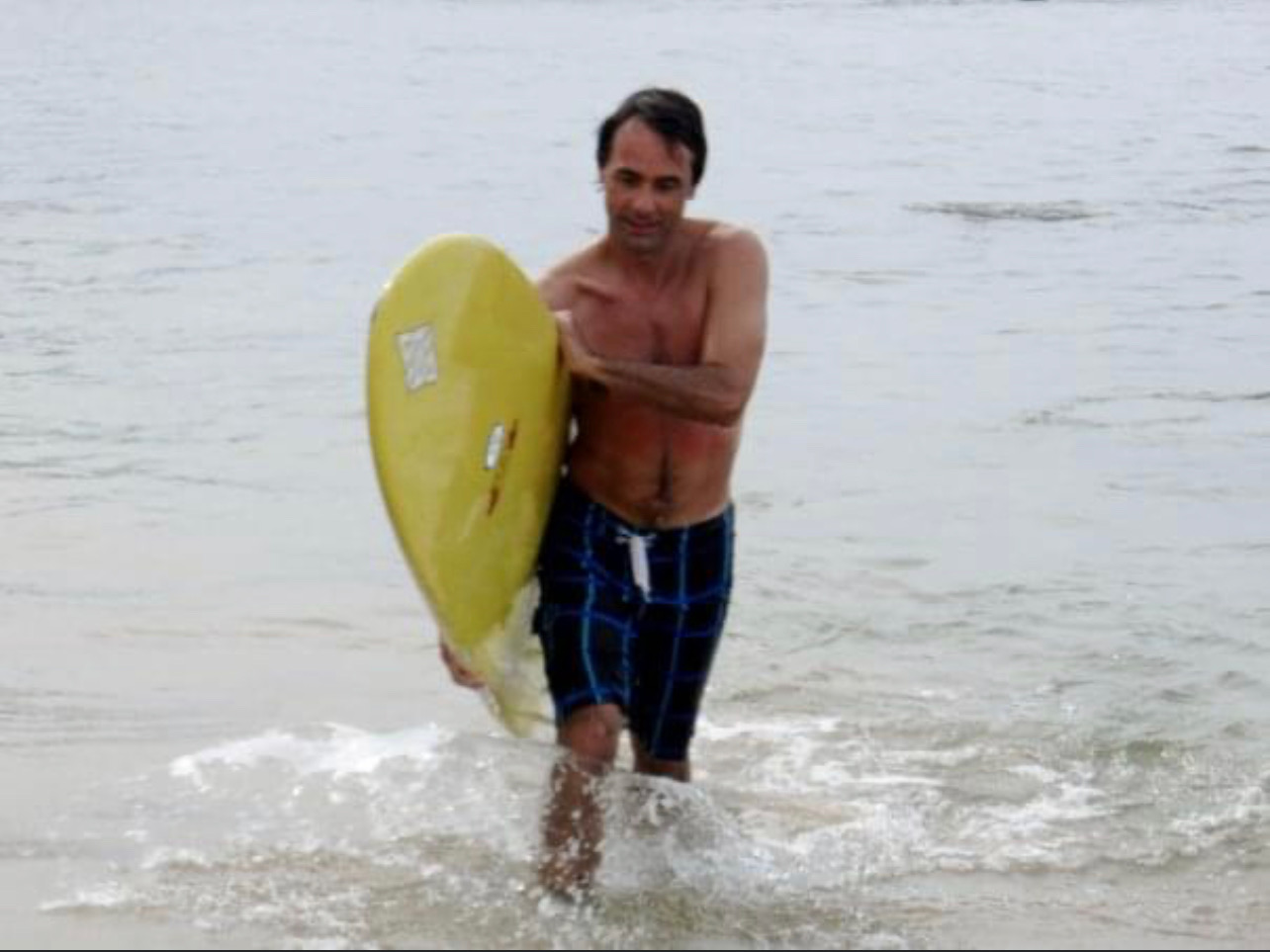
Kevin, a SnowboarderPaddle BoarderSkateboarder
Read Kevin’s story →